 Yardvexo
Creating a Thriving Water Garden: Practical Steps for a Healthy Pond Ecosystem
A practical guide to building and maintaining a healthy pond ecosystem with water lilies, marginal pond plants, and British pond plants, ensuring year-round interest.
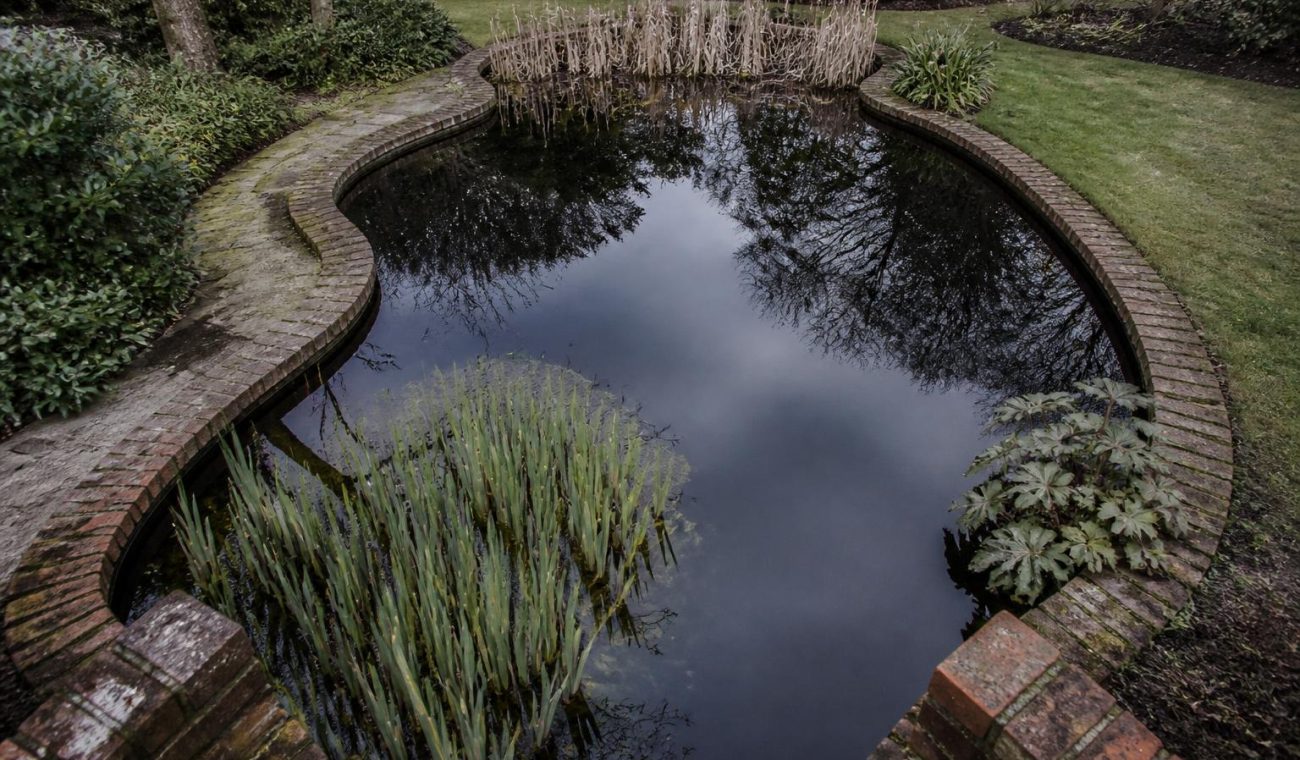
Designing a Pond Bed That Supports Your Plants
When planning a pond, consider depth zones that accommodate different species while keeping a natural, low-maintenance balance. A gently sloping edge creates microhabitats for amphibians and provides safe transitions for marginal pond plants, which root along the shelf and thrive in mixed light. The choice of liner, rock, and substrate matters as much as aesthetics, guiding water flow and root penetration for long-term vigor. Marginal Pond Plants can anchor the edges and offer instant texture alongside established water lilies.
Think in layers: a deep central zone for robust water lilies, a shallower shelf for emergent plants, and a margin for submerged growth. This structure supports a balanced ecosystem by providing shaded refuges, nutrient cycling, and habitat complexity that reduces algal blooms. Regularly test pond water, monitor pH and hardness, and adjust with safe amendments to keep the bed welcoming to a diversity of pond plant species.
Choosing Water Lilies and Their Companions
Water lilies bring drama with floating foliage and showy blooms that glow at dawn and dusk. When selecting varieties, match the cultivar to your climate: hardy types in cooler regions and tropicals where warmth remains year-round. Plant them in pots to control spread and ensure the rhizomes have depth and room to expand. In mixed plantings, water lilies pair nicely with taller marginal pond plants for a layered, natural look.
British pond plants offer reliable performance and garden-friendly maintenance because they are adapted to local conditions and rainfall patterns. Use a combination of hardy lilies and native marginals to create a cohesive palette that supports pollinators while keeping the water chemistry stable. Regular pruning after flowering keeps the pond looking tidy and prevents overcrowding that can hamper aquatic life.
Maintaining Water Quality Through Seasonal Care
Seasonal care hinges on understanding how temperatures and rainfall shift nutrient loads in the pond. In spring, remove decaying debris and refresh the filter to prevent nutrient spikes that encourage unsightly algae. A steady schedule of light irrigation, aeration, and gentle cleaning helps keep beneficial bacteria thriving, which in turn supports the entire aquatic community and the vitality of your pond plant choices.
Throughout summer and autumn, active plant growth must be balanced with water movement. Solar-powered aerators and gentle water movement reduce stagnation and help distribute oxygen evenly. The right balance supports both water lilies and marginal pond plants, ensuring each species has access to light and root space while maintaining clarity and a healthy ecosystem.
Naturalizing Edges with Texture and Color
Edgelines that soften the transition from lawn to water create a more natural appearance and invite wildlife. Choose a mix of broad-leaved marginals and slender grasses to frame the pond and echo the surrounding landscape. With careful planting, the edges become a living border that hides the liner and blends the water with the garden’s textile of leaves and flowers.
Seasonal color shifts bring continuous interest without heavy maintenance. Planting a staggered array of marginals along the shelf provides a constant diagonal of texture and movement as stems sway with breezes. Keep a few landscape stones exposed for in-water depth cues and to create microhabitats for invertebrates that help sustain the pond’s micro-ecosystem.
Overwintering and Spring Restart
Winter survival depends on choosing hardy varieties and ensuring that frost exposure is managed thoughtfully. For water lilies, reduce growth and move any sensitive specimens slightly deeper to protect rhizomes from freezing. Marginal pond plants may retreat, but healthy roots store energy for a robust spring comeback, especially when mulch or composted leaf matter insulates the root zones.
As temperatures rise, slowly reintroduce widened light exposure and resume regular feeding with pond-safe nutrients. Early spring pruning clears old growth while preserving vital structure that supports new shoots. A well-timed restart of filtration and aeration kick-starts beneficial bacteria and plants, setting the stage for thriving water lilies and steady marginal growth.
Creating Habitat for Wildlife Without People Clutter
Think of the pond as a miniature wetland where each plant contributes to wildlife habitat. Dense marginals offer shelter for amphibians and insects, while water lilies provide shade and spawning niches for aquatic life. Keeping the garden free of human clutter around the pond helps wildlife feel secure, encouraging natural behavior such as dragonflies skimming the surface and frogs seeking refuge among roots.
Incorporate natural materials and avoid bright, direct-sun reflections that can repel creatures. A simple rock border, fallen leaves, and a few native grasses will frame the water without drawing attention to human activity. The mix of pond plant varieties, including resilient british pond plants, supports a balanced ecosystem that is both visually pleasing and ecologically responsible.
Seasonal Egg-Timing and Propagation Strategies
Propagation of marginals and water lilies is best timed around late spring when the plants begin active growth. Dividing established clumps and replanting helps prevent overcrowding and maintains vigor. Use sharp, clean tools and label new divisions to track cultivar differences, ensuring your marginal pond plants settle into appropriate depths and light conditions for continued health.
Successful propagation requires attention to root health and water clarity. After division, mulch lightly to protect new roots and avoid covering foliage that still needs light. Regular checks for pests and disease, coupled with careful sanitation of tools, keep the pond and its plants robust through the seasons and support an ongoing display of healthy growth.
Optional Texture Enhancement
- Consider a lightweight floating mat beneath water lilies to control root spread and reduce algae.
- Introduce a few native marginal plants to complement glossy leaves and seasonal blooms.
- Incorporate a small, decorative overflow to manage rainfall without disrupting plant balance.
→More signal
All signal → Home
Home
Mastering a Cozy, Sustainable Garden: Practical Ideas for Home Improvement, Interior, Gardening, and Decor
 Real Estate
Navigating the Real Estate Landscape: Practical Strategies for Buyers and Sellers in a Shifting Housing Market
 Casino