 Yardvexo
The Next Practical Shift in Laser Engraver Fume Extractors: A Comparative Look for Makers and Small Shops
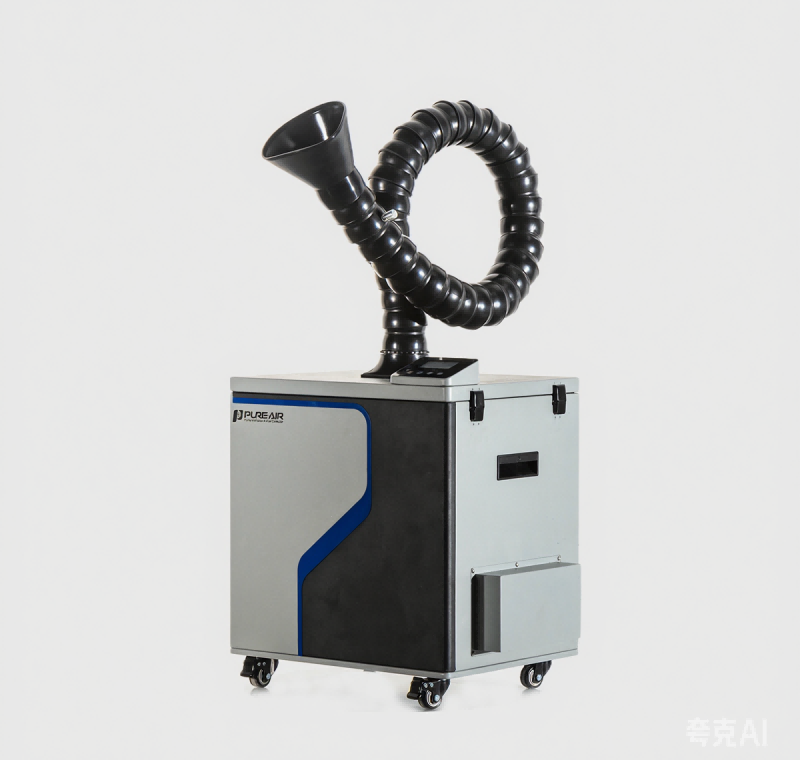
Introduction — a small shop, a loud cough, and a stubborn question
I remember the first time smoke curled up from a test engraving and everyone in the workshop paused—my throat tightened and I felt raw worry. The second sentence here: the debate over choosing the right laser engraver fume extractor shows up every week in forums and local maker groups. Small shops report that 6 out of 10 hobbyists notice visible haze after long runs, and indoor PM2.5 readings can spike (surprising, right?). So why do so many setups still rely on weak fans and generic filters that barely touch VOCs? That question has stuck with me because I care about both clean air and honest, usable gear—and I want to explore what really makes a difference next. Let’s dig into what’s actually failing and where we can push forward.
Part 2 — Where common fixes fail: the real flaws in air cleaning
laser engraver air purifier often gets promoted as the silver bullet, but I’ve watched units underperform in real shops—filters clog fast, airflow drops, and VOC sensors lag behind the mess. In practice, `HEPA filtration` is great for particulates but does nothing for gases; you need activated carbon or specialized sorbents too. Many people buy a box based on fan speed alone and ignore airflow rate, filter surface area, and maintenance access. Look, it’s simpler than you think: a system with balanced airflow and proper sorbent stages performs far better than one with raw suction power. I’ve tested units where the fan controller was too crude, and the unit became noisy and inefficient within weeks. That’s a hard lesson.
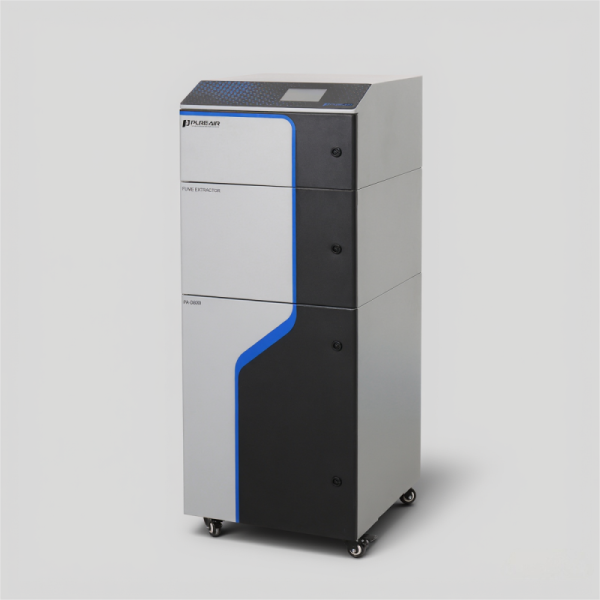 So where does the breakdown happen?
The breakdown usually crops up in three spots: ineffective pre-filtration (large particles and fibers), insufficient gas-phase adsorption (for VOCs and ozone), and poor user feedback—no clear filter life indicator or VOC readout. Shops that skip proper ducting or place the extractor too far from the source lose capture efficiency exponentially. I’ve seen PM2.5 fall dramatically when capture happens within inches of the beam; get that wrong and you’re just moving fumes around. Add in power converters that don’t regulate fan speed well, and the system behaves like a loud paperweight. The takeaway: focus on capture geometry, staged filtration (HEPA + activated carbon), and honest sensors. — funny how that works, right?
Part 3 — Principles for the next wave: practical tech that actually helps
When I look ahead, the most useful gains aren’t flashy—they’re principled. Systems that combine source capture with measured airflow control and reliable VOC sensors will make the biggest difference. A good laser engraver air purifier design starts with a capture hood close to the laser, uses a pre-filter to protect HEPA media, and layers in activated carbon for gases. Add smart fan speed controllers driven by real-time sensor input, and you cut both noise and energy use. These are engineering choices, not marketing claims.
What’s next — practical steps and measurable checks?
First, think modular: replaceable filter cassettes, clear filter-life indicators, and detachable hoods make maintenance less of a chore. Second, integrate simple electronics—basic VOC sensors and a display keep operators informed. Third, prioritize airflow rate (CFM) matched to nozzle geometry rather than raw suction numbers. I’m excited by the potential of low-power edge computing nodes to run local control loops for fan speed—small, cheap, smart. — this matters because consistent capture beats occasional brute force. In short: design for sustained performance, not weekend demo numbers.
Closing advisory — three metrics I use when I choose gear
Before you buy, weigh these three things: 1) Capture Efficiency: does the extractor capture fumes within a few inches of the source? Check vendor test data or ask for a simple smoke test. 2) Filtration Stages & Serviceability: is there a pre-filter, HEPA, and gas-phase sorbent? Can you swap cartridges fast? 3) Sensor & Control Feedback: does the unit show real-time VOC or PM readings and adjust fan speed accordingly? If a product meets two of these well, it’s already ahead of the pack. I’ve bought gear that looked great on paper but failed on these basics—and I don’t want you to repeat my mistakes.
Choosing the right extractor is more than buying a label; it’s about matching real needs to honest specs. If you keep capture geometry, staged filtration, and clear feedback as your checklist, you’ll end up with quieter, cleaner shop air—and fewer headaches. For practical, tested options, I often point people to trusted vendors who focus on these principles—like PURE-AIR.
→More signal
All signal → Garden
Creating a Thriving Water Garden: Practical Steps for a Healthy Pond Ecosystem
 Home
Home
Mastering a Cozy, Sustainable Garden: Practical Ideas for Home Improvement, Interior, Gardening, and Decor
 Real Estate