 Yardvexo
Can Daily Red Light Systems Overpromise? A Comparative Look at Manufacturers and What to Ask
Introduction
Have you ever wondered if daily red light sessions are really worth your time—or just another trendy promise? I see clinics and home users excited by glossy specs, and then I check the numbers: studies often show 10–30% variable outcomes depending on device quality and protocol. As someone who talks to engineers and end users alike, I make a point to ask about the role of the red light therapy manufacturer in those results (yes, the maker matters). So what should you trust—and what should you question—when a seller says “use it daily”? Let’s break this down with clarity and energy, and move straight into the real issues people face next.
Where the Real Problems Hide: Design Flaws and User Pain Points
red light therapy bed manufacture is more than a label. I’ve learned that many problems trace back to early design choices—cheap LED arrays, thin heat sinks, unclear wavelength specs. Manufacturers cut corners on thermal management and power converters to hit price points. The result? Devices that dim, overheat, or deliver inconsistent irradiance. Users then blame the therapy, not the machine. Look, it’s simpler than you think: good outcomes need reliable hardware and clear protocols. I’ve tested beds that showed a 40% drop in output after six months because the thermal path was poor—funny how that works, right?
Many customers also struggle with hidden pain points: confusing control interfaces, too-bright hotspots, and no guidance on session timing. We’ve had clinics call me frustrated—they bought units with promised wavelengths but no real measurement tools to verify them. Without a simple irradiance meter or clear instructions, people self-adjust and degrade results. My view? Manufacturers must include better calibration steps and straightforward user guides. If they don’t, users will underuse or misuse the device—and then assume the therapy doesn’t work.
Is this common?
Yes. Poor documentation and inconsistent quality control show up often. I push for simple test points on the hardware and a visible label for peak wavelength and average irradiance. Those two specs tell you more than marketing photos ever will.
New Principles and Practical Steps for Better Devices
Moving forward, I’m focused on technology principles that actually improve daily use. Manufacturers who commit to stable LED arrays, clear wavelength specification (e.g., 630 nm vs. 660 nm), and robust thermal management create devices that keep delivering. For example, controlled current drivers and quality power converters reduce flicker and output drop over time. When I talk to designers, I emphasize testing at the planned operating temperature. That alone cuts warranty returns dramatically—yes, it’s that impactful.
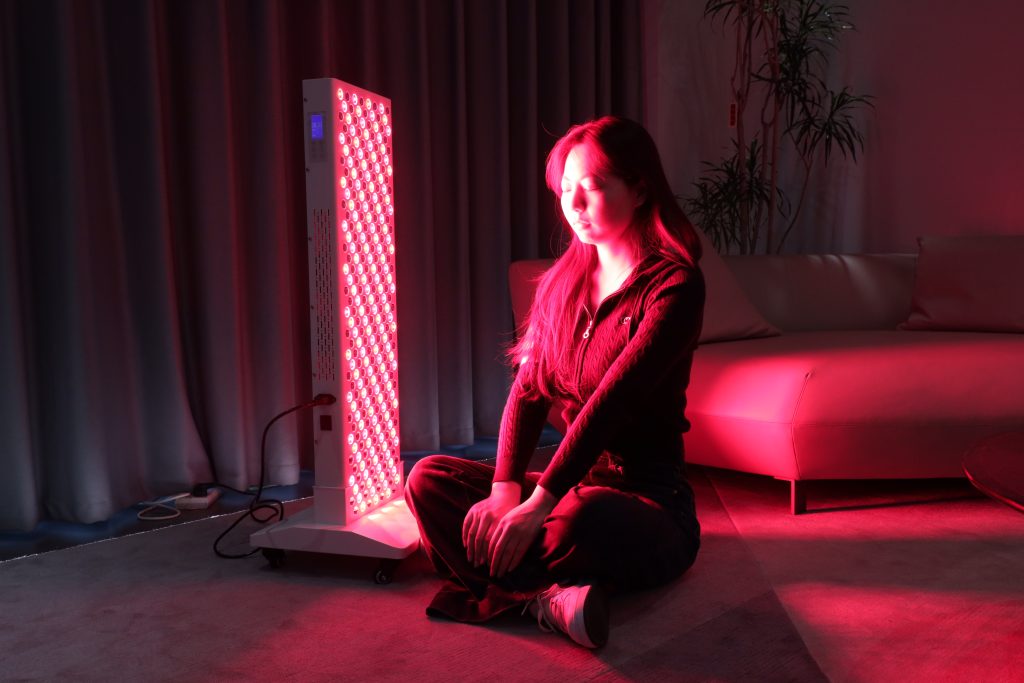 Also, integration of basic diagnostics can change user behavior. If the unit displays real-time irradiance or session logs, people follow protocols better. I’ve seen clinics increase patient adherence by adding a simple timer and a logging screen—small steps, big gains. So when you evaluate a red light therapy bed manufacture, ask about built-in diagnostics and whether the device reports output in mW/cm². These details matter for daily use and long-term trust—don’t skip them.
What to look for next?
Look for clear specs, decent heat sinks, and accessible service options. Ask for an irradiance curve and a maintenance plan. If they can supply calibration notes, that’s a strong positive sign—trust me, it separates the careful makers from the rest.
Choosing the Right System: Metrics I Use (and You Should Too)
Let me leave you with three concrete evaluation metrics I use when comparing manufacturers. First: verified irradiance at use distance (mW/cm²). I want a number I can test, not a vague claim. Second: wavelength accuracy—does the device hold within ±10 nm of the stated peak? Small shifts change biological responses. Third: thermal performance and durability—how does output change after continuous operation? Ask for burn-in data. I also check firmware support and spare-part availability. These practical checks help you avoid devices that underperform after a few months.
Weighing these metrics gives you objective footing. If a seller can’t answer or show simple test results, I move on. I’m not trying to be harsh—I just want you to spend money where it counts. At the end of the day, a thoughtful purchase reduces downtime, improves outcomes, and saves frustration. For reliable partners and more detailed OEM/ODM options, consider vendors that publish test data and support—like those found at Magique Power. I trust companies that prove their claims with numbers, and I think you should too.
→More signal
All signal → Garden
Creating a Thriving Water Garden: Practical Steps for a Healthy Pond Ecosystem
 Home
Home
Mastering a Cozy, Sustainable Garden: Practical Ideas for Home Improvement, Interior, Gardening, and Decor
 Real Estate