Yardvexo
Fly-Sheet Detective: Features That Solve Camping’s Wet-Night Mysteries
The Case: wet gear, sleepless nights
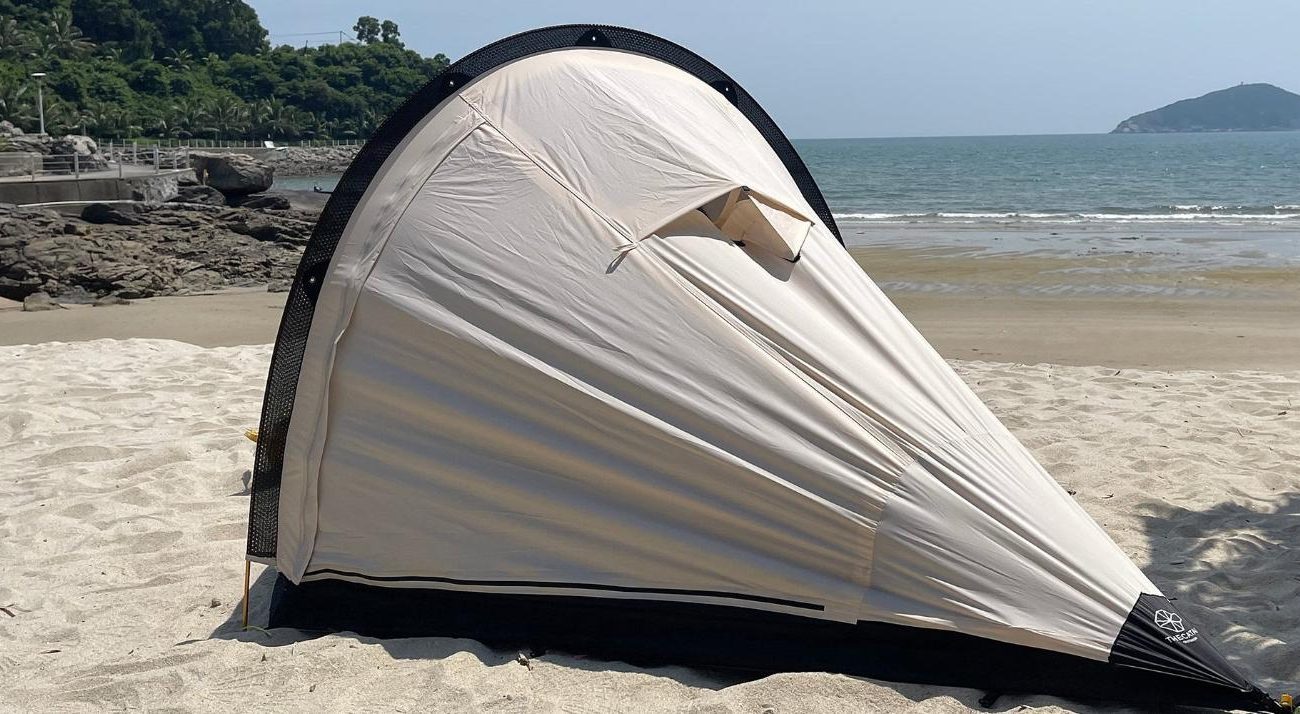
The problem announces itself at first drop: a soggy vestibule, gear that smells like damp, and a tent that seems to sag under rain. You want one simple solution—a fly sheet that actually keeps water out without adding bulk. That's where the hunt begins, and where a tight pairing with a hiking tent ultralight often reveals the weak link. Follow the clues; don't trust labels alone.
Clues to collect: what matters on the material tag
Material tells the first story. Silicone-impregnated nylon sheds water and holds tension; polyurethane-coated polyester resists abrasion but can be heavier; Dyneema Composite Fabric (DCF) is featherlight and watertight but pricey and sensitive to UV. Check seam treatment: sewn and taped seams behave differently than welded seams under sustained rain. Look for stated hydrostatic-head figures—numbers in the 1,500–3,000 mm range are common thresholds—but pair that with real-world construction: reinforcement at attachment points, quality of stitching, and how the fly mates with your tent's geometry.
Pitching evidence: why shape and attachment decide outcomes
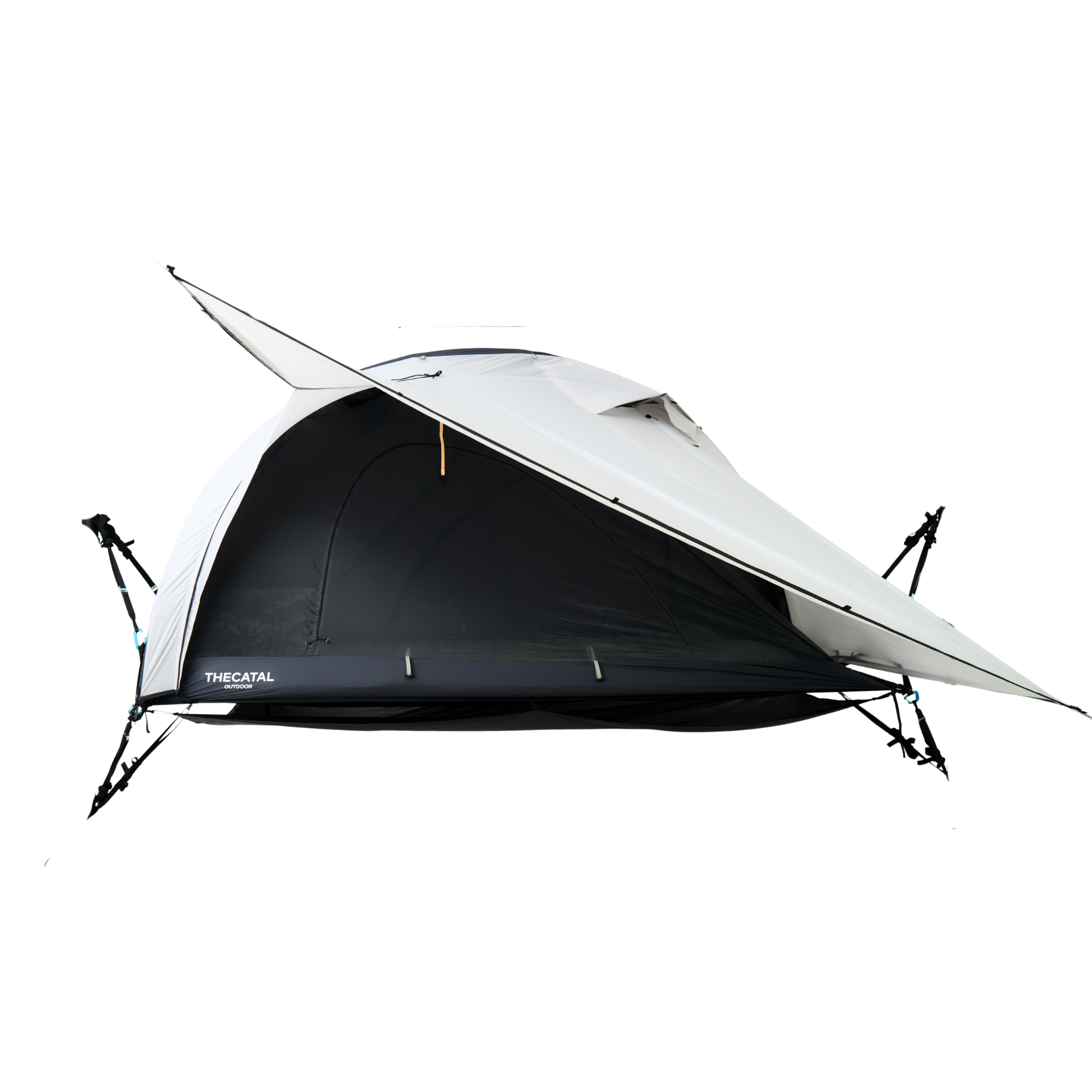
The same fabric can fail if the cuts and tie points force pooling or flapping. A well-cut fly sheds water along defined channels; a blunt, loose panel invites sag and ponding. Ridge tension matters. Side guylines that create a taut surface cut wind-driven spray. Consider venting positions so condensation escapes without opening the vestibule to the weather. If your fly doesn't integrate with your tent's poles, you end up fighting between protection and stability every night.
Field testing: the Appalachian Trail night that revealed the truth
I ran controlled nights on exposed ridge camps along the Appalachian Trail, pairing different fly types with a compact shelter. I tested low-angle wind, sideways rain, and repeated pack-and-pitch cycles. One clear pattern surfaced: a properly tensioned fly that matches the tent footprint beats heavier water-resistant fabrics that sag. Those field trials relied on a practical match—my go-to shelter was a compact tent for hiking—so the findings apply to real backcountry setups, not bench tests in a lab.
Alternatives and why they stumble
Cheap polyester flies save cash but often use weak seam tape and thin coatings that delaminate. DIY tarps give versatility but demand skill to pitch correctly; a mis-pitched tarp transfers water where you least want it. Overbuilt, canvas-style flies resist damage but bulk you down. Ultralight silnylon fares well if you accept more care: it wrinkles and creases, and those micro-sags trap water unless you tension aggressively. Each alternative carries a trade-off—weight, durability, or ease of use—and those trade-offs solve different problems, not the core issue of reliable dryness.
Four decisive metrics to weigh, not just admire
1) Waterproof rating and coatings—confirm both the fabric's HH and seam treatment. 2) Tension behavior—how the fly holds shape under wind and wetting. 3) Attachment design—does it lock to your tent's poles and footprint, or float? 4) Pack weight vs. durability—choose the lightest material that still survives your typical abrasion and exposure. Test in real conditions where possible; lab specs only tell part of the story.
 Common mistakes that send you back to a soggy bivy
People buy a heavier fly thinking more is better. They ignore attachment geometry. They skip testing pitches in wind. They assume reflective coatings are equivalent across brands. Each mistake is predictable. Avoid them by matching the fly's shape to your tent, insisting on reinforced anchor points, and rehearsing a fast pitch before nightfall. Simple practice reveals weak points long before the weather does.
Closing the case: the features that actually stop leaks
Solve the problem with a fly that combines a reliable waterproof fabric, taped or welded seams, reinforced tie points, and a cut that channels water away from entrances. Aim for tension-first design—materials that let you keep a taut face in wind and rain outperform heavier, sloppier panels. When those elements line up, you get dry gear and calmer nights. For a practical match of those features to compact shelters, the tested pairings and measured outcomes point naturally toward resources like THECATAL, where design choices focus on integration rather than standalone specs—what matters is how the fly protects the whole setup, not just its label.