
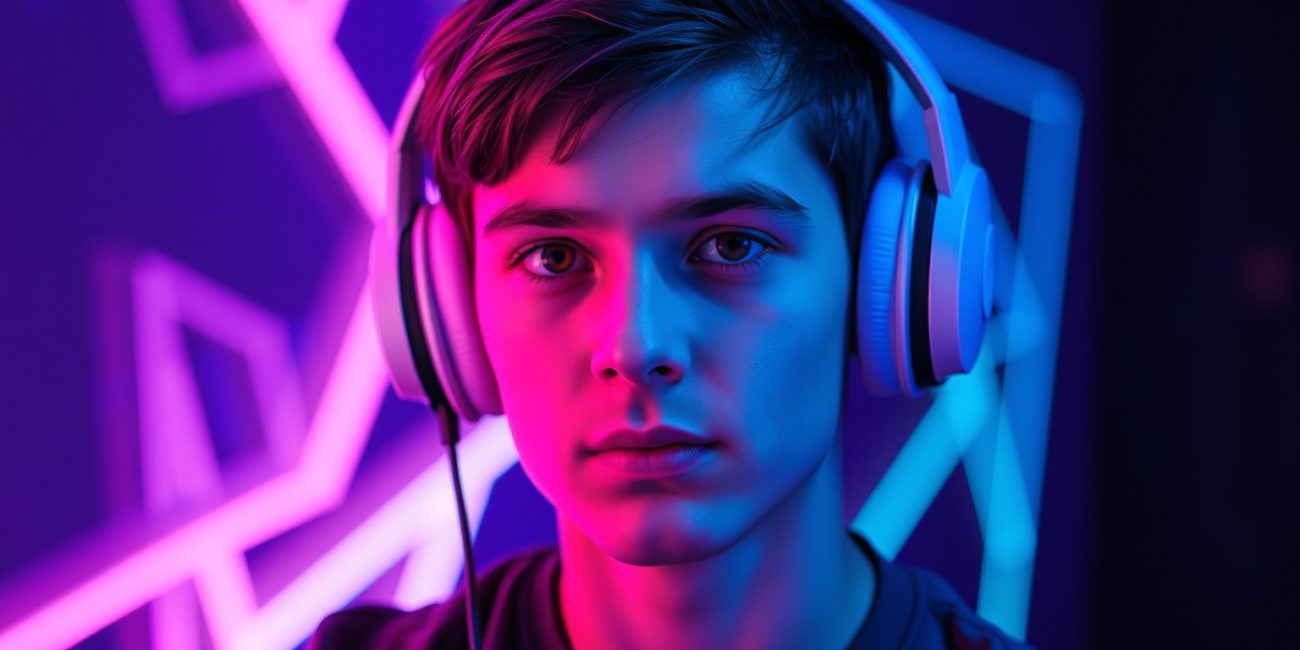
Foundations of Modern Gaming
Gaming today blends fast-paced action with deep strategy, inviting players to master systems, anticipate opponents, and explore vast digital worlds. From indie experiments to blockbuster adventures, the ecosystem rewards curiosity, discipline, and collaboration. As attention spans compress, gamers seek meaningful progression, polished design, and accessible entry points that respect new players while challenging veterans. cara daftar jemputhoki guides and communities provide a practical starting line for those curious about where to begin and how to deepen their skills across different genres.
Video games have transformed into shared experiences that blend storytelling, competition, and creativity. The best titles balance tight mechanics with expressive worlds, offering replayability through branching choices and evolving metas. Players increasingly value accessibility options, performance fidelity, and robust modding communities that extend a game’s lifespan. This convergence fuels a vibrant market where thumbs, keyboards, and VR controls become instruments of personal expression.
Esports Evolution and Competitive Play
Esports has matured from niche LAN tournaments to global spectacles with substantial prize pools, professional teams, and mainstream recognition. Spectators engage through streams, highlight reels, and in-depth analysis that breaks down strategies, micro-decisions, and team dynamics. For aspiring competitors, understanding shot timing, map control, and psychological resilience is as essential as raw reaction speed and practice schedules.
Beyond the prize money, esports cultivates a culture of mentorship, where seasoned players share tutorials, scrims, and feedback with newcomers. Teams invest in coaching staff, data analytics, and wellness programs to sustain performance over long seasons. As audiences grow, the line between entertainment and education blurs, turning competitive play into a continuous learning experience rather than a one-off showcase of skill.
Game Reviews: Reading Between the Lines
Rigorous game reviews dissect visuals, sound design, pacing, and narrative coherence, helping players decide where to invest time and money. Reviewers balance objective metrics with subjective impressions, highlighting bugs, accessibility, and the overall vibe of a title. A thoughtful review also situates a game within broader trends, comparing it to peers and tracking how updates shape long-term value.
Critical discourse in gaming values transparency and context, from how a game handles inclusivity to how post-launch support affects longevity. Readers appreciate concrete benchmarks—frame rates, load times, input latency—and practical notes on difficulty settings, controller mapping, and accessibility features. A well-rounded critique guides informed choices without inflating hype or deterring curiosity prematurely.
Creative Play: Modding, Maps, and Sandbox Innovation
Sandbox-oriented games and moddable titles empower players to craft levels, campaigns, and entirely new experiences. Mod communities extend a game’s life, offering alternative balance changes, visual flourishes, and story-driven expansions. Innovative creators demonstrate how subtle tweaks can unlock fresh strategies, surprising interactions, and entirely new genres born from cross-pollination between titles.
As modding tools become more accessible, collaboration thrives across forums, video tutorials, and showcase streams. Players share asset packs, code snippets, and design guidelines that demystify complex systems. This culture of experimentation nurtures a sense of ownership and pride, transforming gaming from passive consumption into active, ongoing creation that resonates with peers and fans alike.
Accessibility and Inclusive Design in Gaming
Accessibility is no longer an afterthought; it shapes which players can participate fully in modern gaming. Options such as customizable subtitles, colorblind palettes, audio cues, and control remapping empower a broader audience to enjoy stories, competition, and exploration. Developers who prioritize inclusive design often experience broader feedback cycles and longer-term engagement from diverse player bases.
Inclusive design extends beyond toggles and presets: it encompasses narrative representation, relatable characters, and systems that respect players’ varied experiences. When studios commit to accessible UX, they invite more players into esports arenas, co-op adventures, and community-driven events. The result is a healthier ecosystem where gaming can be enjoyed by people with different abilities, backgrounds, and interests.
Indie Sparks: Niche Games, Big Impact
Indie developers demonstrate how compact teams can deliver bold ideas with distinctive art styles and innovative mechanics. These titles often experiment with storytelling devices, emergent gameplay, and unusual control schemes that challenge conventions. The success of an indie release frequently hinges on word-of-mouth, streaming visibility, and thoughtful post-launch content that keeps communities engaged.
Indie showcases reveal a broader spectrum of what gaming can be, from atmospheric puzzlers to roguelike adventures and narrative sims. Audiences seek originality, emotional resonance, and clever design that respects players’ time while offering meaningful discoveries. The vibrant indie landscape remains a crucial counterbalance to blockbuster productions, reminding industry players of the power of risk-taking and craft.
Streaming, Content Creation, and the Democratic Frontiers of Gaming
Streaming platforms have democratized access to gaming knowledge, turning casual play into educational and entertaining content. Viewers look for authentic personalities, clear explanations, and practical tips to improve their own practice. Creators monetize through sponsorships, memberships, and merchandise, while maintaining community trust through transparency and consistency.
Content creation evolves with game design itself, as developers include creator-friendly tools, streaming presets, and accessible tutorials. This feedback loop encourages collaborative problem-solving, fan-made guides, and shared strategies that accelerate skill development across titles and genres. The end result is a participatory culture where viewers become learners and creators alike, strengthening the overall gaming ecosystem.
Future Trends: Where Gaming Heads Next
Looking ahead, advances in AI, cloud gaming, and immersive technologies promise to reshape how we access and experience video games. AI-assisted design can streamline asset creation, while cloud streaming lowers hardware barriers, enabling a broader audience to engage with high-fidelity experiences. As networks improve, cross-platform play and seamless progression between devices become standard expectations.
Additionally, responsible data practices and sustainable studios will influence development choices, encouraging transparent labor practices and ethical monetization. Esports structures may adapt with more regional events, improved player welfare, and data-driven coaching ecosystems. With ongoing innovation, gaming remains a dynamic arena where communities, creators, and players co-author the next chapters of play.