Yardvexo
Smart, Practical Garden Care: A Realistic Guide to Seamless Outdoor and Indoor Greenery
Practical strategies blend outdoor gardening with interior decor, making home improvement a holistic, enjoyable project for any space.

Foundations of a Healthy Garden and Inviting Interior
A thriving garden starts with simple soil care, thoughtful plant selection, and a plan that fits your climate and lifestyle. Begin by testing soil pH, adding compost, and choosing drought-tolerant varieties that align with your sun exposure. An electric hedge trimmer can streamline shaping shrubs, saving time for more ambitious home improvement projects that blend exterior vitality with interior comfort and decor. This approach keeps outdoor spaces productive without overwhelming weekend schedules, reinforcing sustainable habits that extend into daily routines.
Next, map your garden like a room you design, considering function, scale, and flow. Incorporate edible elements alongside ornamentals to maximize use of space while supporting pollinators. Regular pruning, mulching, and monitoring for pests create a resilient landscape. By treating gardening as a continuous conversation between soil, sun, and seasons, you establish a living canvas that enhances both curb appeal and interior ambiance through cohesive decor and practical maintenance routines.
Choosing Plants That Thrive in Your Microclimate
Identify your microclimate zones—sunlit corners, shade pockets, windy edges, and moist low spots—to select plants with compatible water and light needs. For each zone, group species with similar maintenance requirements to simplify care and reduce missteps from over or under-watering. Consistent mulching helps regulate soil temperature, preserve moisture, and suppress weeds, letting you focus on creative planting schemes and your ongoing home improvement goals.
Invest in hardy perennials that return year after year, interspersed with seasonal annuals for color bursts. Native species often outperform non-natives in disease resistance and soil compatibility, providing reliability for busy households. By thoughtfully layering textures—from glossy to matte foliage—you create visual depth that complements both outdoor architecture and interior decor themes, turning the garden into an extension of living space.
Watering Wisely: Saving Time and Resources
Efficient watering starts with a simple schedule tied to plant needs, rainfall, and soil moisture—avoid overwatering by checking soil approximately two inches deep before irrigating. Group plants by water requirements and install a basic drip system or soaker hoses to minimize evaporation. Consistent hydration keeps roots healthy and vegetables productive, supporting a sustainable garden that resonates with mindful home improvement practices and cohesive interior design choices.
Employ rain barrels to collect runoff and use gray water where allowed, reducing reliance on municipal supplies and teaching restraint in resource use. Mulch deeply to decrease evaporation and regulate soil temperature through summer heat. When paired with smart irrigation controllers, these strategies deliver reliable moisture with minimal manual effort, freeing time for decor projects that unify indoor and outdoor living spaces.
Soil Health as the Foundation of Growth
Soil is the living backbone of a thriving garden, requiring regular improvement through organic matter, mineral amendments, and proper drainage. Conduct a basic soil test every few years to tailor your amendments—lime to adjust pH, rock phosphate for root development, and compost to build microbial life. Healthy soil supports nutrient efficiency, reducing fertilizer runoff and aligning with responsible home improvement practices that honor environmental stewardship.
Implement crop rotations and cover crops in beds that are rested or fallow to prevent nutrient depletion and suppress weeds. A diverse soil food web encourages robust plant performance, resistance to pests, and resilient flowering for longer seasonal interest. Such attention to soil translates into healthier interior plants as well, since potting mixes benefit from similar amendments and care routines that echo your decorative aims.
Seasonal Upkeep: Scheduling Your Garden Like a Room
Develop a seasonal calendar that maps pruning, planting, fertilizing, and pest checks to your region’s first and last frost dates. Align outdoor maintenance with interior projects—such as repainting a fence or installing new window boxes—to create a cohesive home improvement rhythm. Consistency matters: small, regular tasks reduce the risk of big, overwhelming chores that disrupt both outdoor vitality and indoor calm.
Spring brings fresh energy for soil preparation and transplanting, while summer demands steady watering discipline and shade management. Fall tasks include bed cleanup, composting, and seed saving for next year, setting a productive pace that preserves your resources. By treating seasonal care as a routine, you maintain a harmonious garden that complements your interior spaces and decor ambitions.
Decorative Elements that Tie Indoors to Outdoors
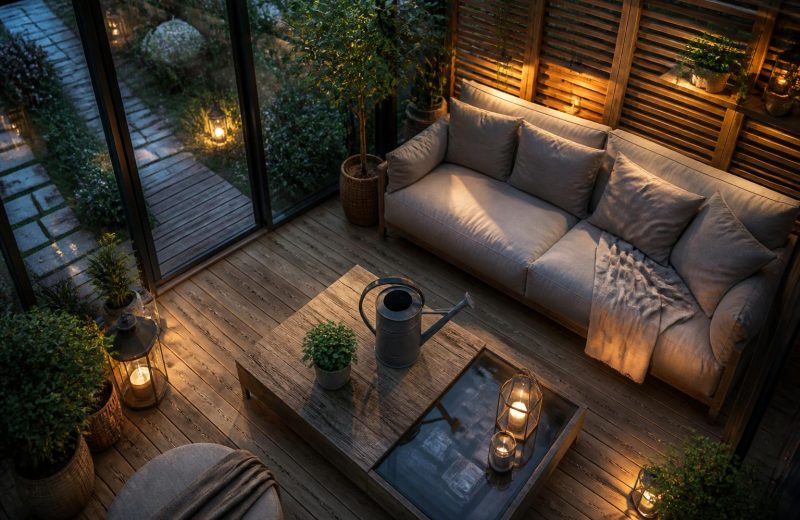
Think of your landscape as an exterior room, where furniture, lighting, and color schemes echo the interior. Choose planters and trellises that reflect your home’s architectural lines, and select plants that provide year-round structure and seasonal color. Thoughtful planting, paired with weather-resistant decor, extends your home improvement narrative beyond walls and into welcoming outdoor living areas.
Incorporate edible beds, herbs near entrances, and pollinator-friendly flowering borders to create a multi-sensory environment. Use outdoor fabrics and weatherproof cushions to soften seating areas, mirroring the comfort of interior decor. When outdoor decor aligns with interior color palettes and textures, your garden feels like a natural extension of the home rather than a separate realm.
Troubleshooting Common Garden Challenges
Deal with pests and diseases promptly by identifying symptoms and choosing targeted, least-toxic controls. Practice good sanitation by cleaning pruning tools between plants and removing diseased foliage to prevent spread. Regular monitoring helps you catch issues early, preserving plant health and reducing the need for aggressive interventions that might compromise your interior aesthetic goals.
Address drainage problems and compacted soil by loosening beds and improving organic matter content. If you notice stunted growth, reassess light exposure, soil pH, and watering schedules before applying fertilizers. A proactive, knowledge-driven approach keeps your garden resilient, aligning with practical home improvement principles and ensuring your decor remains cohesive year after year.
Texture and Depth in Two or Three Sections
- Layered foliage yields visual depth that mirrors architectural perspective in interior spaces.
- Texture contrasts, such as smooth leaves against rough bark, enrich garden scenes and echo decor choices.
- Seasonal accents—berries, seed heads, and grasses—provide dynamic interest throughout the year.