Yardvexo
Practical Home Gardening: Seasonal Strategies for Living Spaces and Outdoor Autonomy
Seasonal home improvement and gardening tips blend interior comfort with outdoor vitality, from decor tweaks to low-maintenance planting.

Foundations of Seasonal Home Improvement and Garden Planning
The journey toward a cohesive home and garden begins with a clear plan that links interior comfort to exterior vitality. By assessing sunlight patterns, water access, and current decor themes, you create a roadmap that guides both renovation choices and planting schemes. This thoughtful approach helps ensure your interior color choices echo the outdoor palette, while practical upgrades support efficient maintenance and enjoyable living spaces. laser scanning equipment can aid in mapping outdoor features for precise layouts and future expansion ideas.
Effective planning also means budgeting for both interior and exterior improvements. Start with a prioritized list: paint or wallpaper refresh, durable flooring in high-traffic areas, and a sustainable irrigation plan for the garden. Focus on versatile decor that scales with seasons, so you can rotate accents without full redecorating. A shared design philosophy reduces mismatched elements and fosters a unified home-improvement narrative.
Soil, Water, and Climate: Foundations for a Resilient Garden
Understanding soil composition and drainage is essential before planting. Test for pH and textures, then amend with compost and organic matter to improve structure and moisture retention. Choose drought-tolerant varieties for warm climates and install mulching strategies that moderate soil temperatures. Each choice should align with your interior decor sensibilities, ensuring that garden blocks, fences, and containers echo color and texture from living rooms and kitchens.
Water stewardship integrates with decor and daily routines. Install rain barrels and drip irrigation to minimize waste while keeping plants thriving. Position planters in visually strategic places near entryways and windows to extend the sense of lushness when guests arrive. This practical approach to gardening supports long-term sustainability and reduces maintenance burdens while enhancing curb appeal.
Container Gardening: Flexible Aesthetics for Small Spaces
Container gardening offers a versatile path for urban or compact homes. Select pots in varying heights and materials that compliment interior furniture, using color accents that mirror living-room textiles. Group containers in thoughtful clusters to create micro-gardens along patios or balconies, enabling easy rotation of seasonal plantings and decor adjustments without heavy renovations.
Incorporate vertical strategies to maximize space efficiency. Wall-mounted planters, trellises, and ladder shelves can hold herbs, salads, and flowering vines, contributing texture and scent near living areas. Regular soil refreshes and top-dressing with compost keep planters healthy, reducing aggressive maintenance while delivering continuous visual interest that ties interior and exterior design together.
Seasonal Decor: Integrating Nature into Interior Aesthetics
Seasonal decor updates are a powerful bridge between interior spaces and the garden. Choose textiles, ceramics, and art that reflect the garden’s current bloom states and foliage tones, then rotate accessories every few weeks to maintain freshness. This practice reinforces a living design narrative, ensuring that indoors feels reflective of the outdoors year-round and inviting for guests during gatherings and everyday moments alike.
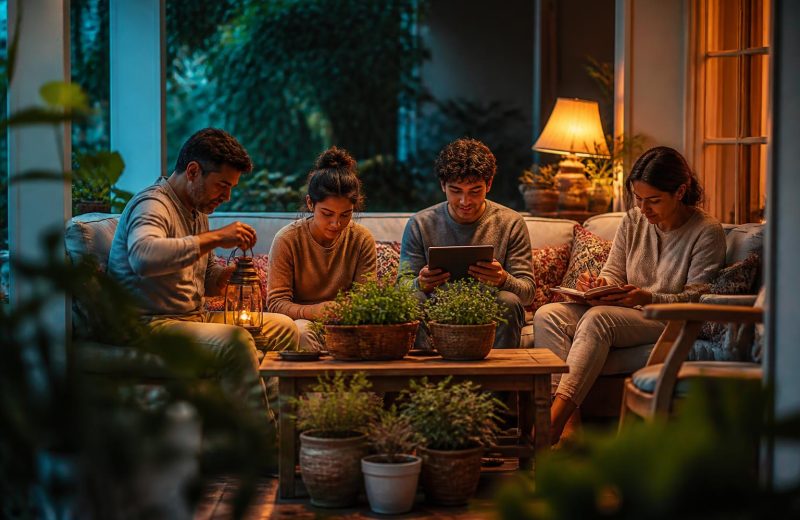
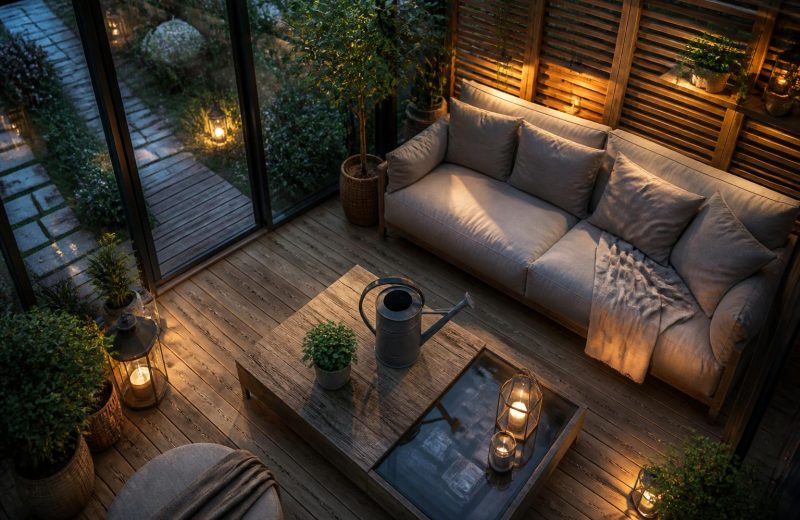
Lighting also plays a crucial role in transitioning spaces between day and night. Use warm bulbs and outdoor lanterns that echo indoor lamps, creating continuity as you move from one room to the next. Layered lighting highlights textures—think woven seating, potted greenery, and ceramic containers—while extending usable hours for outdoor dining or reading in a softly lit garden corner.
Edible Landscapes: Practical Gardening for Food and Flavor
Edible landscaping blends practicality with pleasure, integrating herbs, vegetables, and edible perennials into structured beds and ornamental borders. Plan crops around microclimates—sunny south-facing borders for tomatoes, shaded edges for leafy greens—so maintenance remains manageable. The resulting harvests enhance interior dining and reduce grocery trips, reinforcing a sustainable home-improvement ethos through everyday practice.
Intercropping and companion planting support plant health with natural pest control, reducing chemical reliance. Use aromatic herbs along walkways to deter unwanted visitors while providing convenient seasonings for kitchen use. Containerized edibles offer a flexible option for renters or seasonal homeowners, allowing experimentation with less commitment to permanent changes and preserving decor harmony across spaces.
Maintenance Habits that Respect Both Interior and Exterior Space
Durable, low-maintenance strategies suit busy households seeking beauty without constant upkeep. Choose perennial plants that require minimal pruning and pair them with weather-resistant furnishings that endure sun and rain. A routine that marries interior cleaning with exterior tidying ensures every space feels cared for, reinforcing a calm, coherent home environment that supports daily life and entertaining alike.
Seasonal checks—tidying gutters, pruning selectively, and refreshing mulch—prevent problems before they escalate. Use weatherproof containers and protective finishes to extend the life of outdoor furniture, while updating cushions or throws indoors to echo seasonal shifts. These habits create a predictable rhythm of care that stabilizes both interior and garden health, making improvement feel achievable rather than daunting.
Integrating Tech and Tools with Everyday Living
Smart garden devices and simple maintenance apps help you monitor moisture, sunlight, and growth patterns. These tools complement interior technology by presenting a unified experience of home management. Start with a few reliable sensors and a central dashboard, then expand as needs grow, always prioritizing ease of use and visual clarity in both indoor and outdoor spaces.
When you plan upgrades, consider how future changes will fit with existing decor. Selecting modular furniture and adaptable planting systems reduces the impact of renovations and promotes a flexible home environment. This forward-thinking approach to home improvement keeps you agile as tastes evolve, while sustaining a cohesive look that honors both interior design and gardening goals.
Texture and Small Details
- Use natural materials like wood, stone, and woven fibers to tie indoor and outdoor areas together.
- Include aromatic plants near entryways for a welcoming sensory cue.
- Choose planters with finishes that echo interior furniture to maintain decor unity.